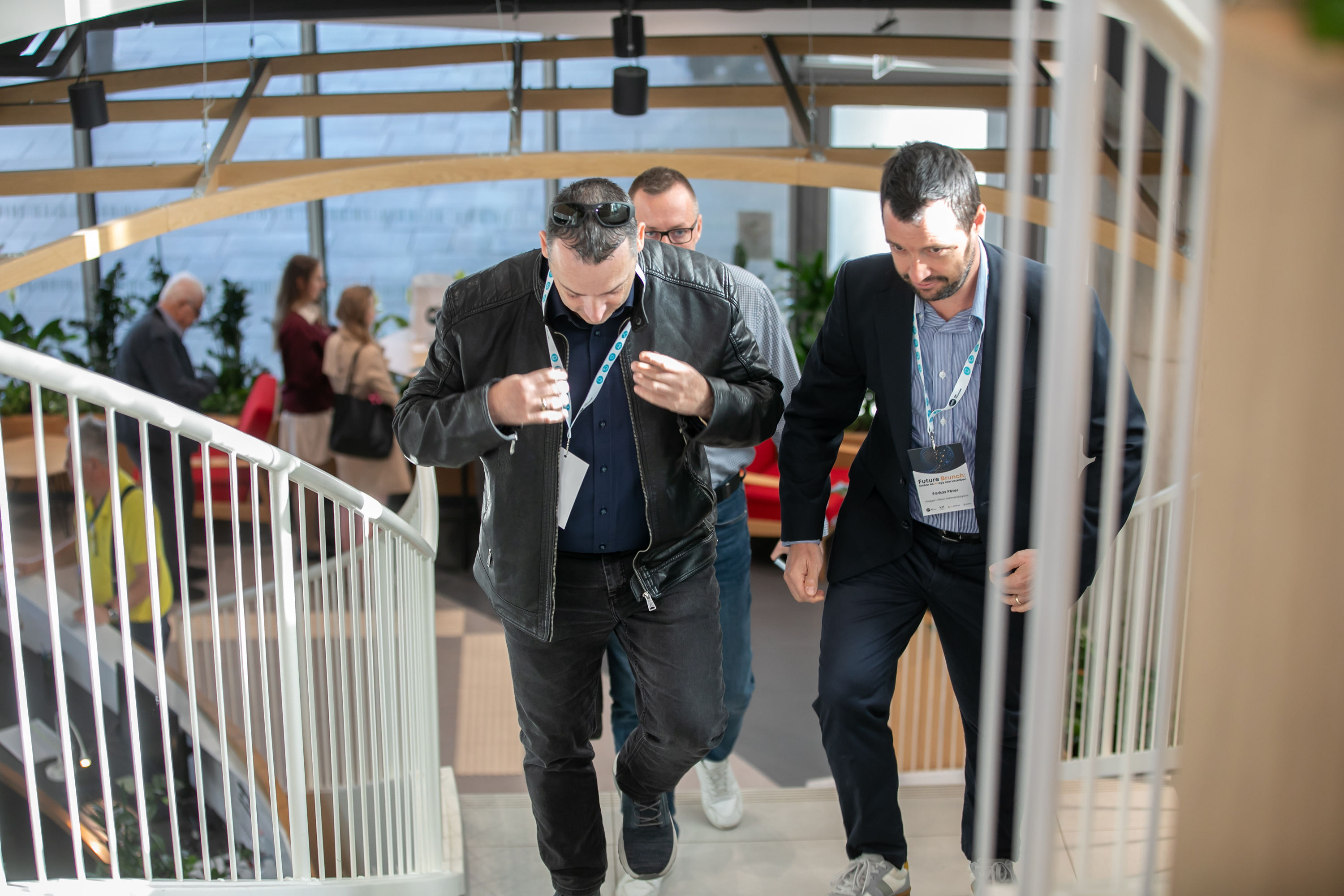
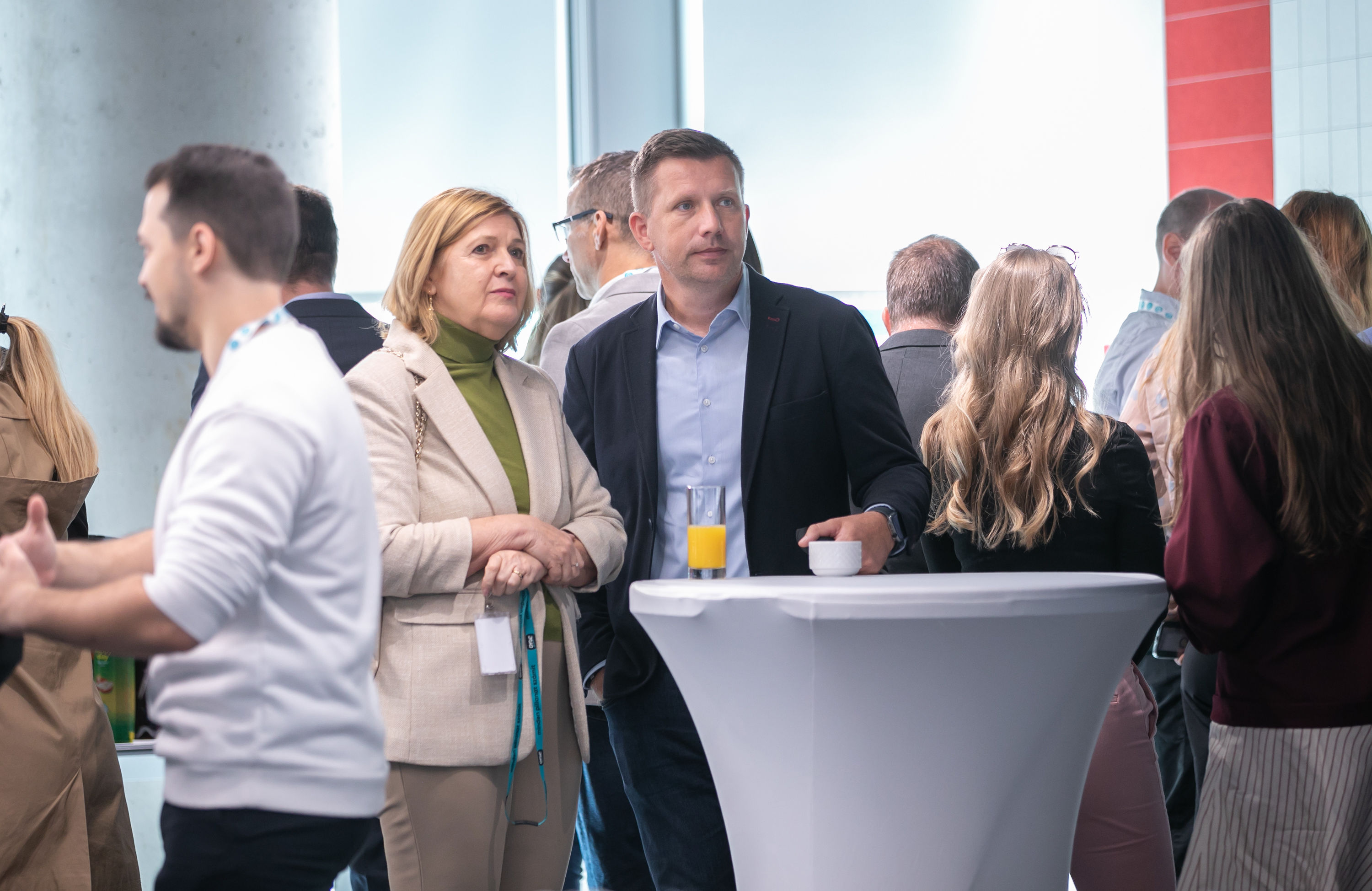
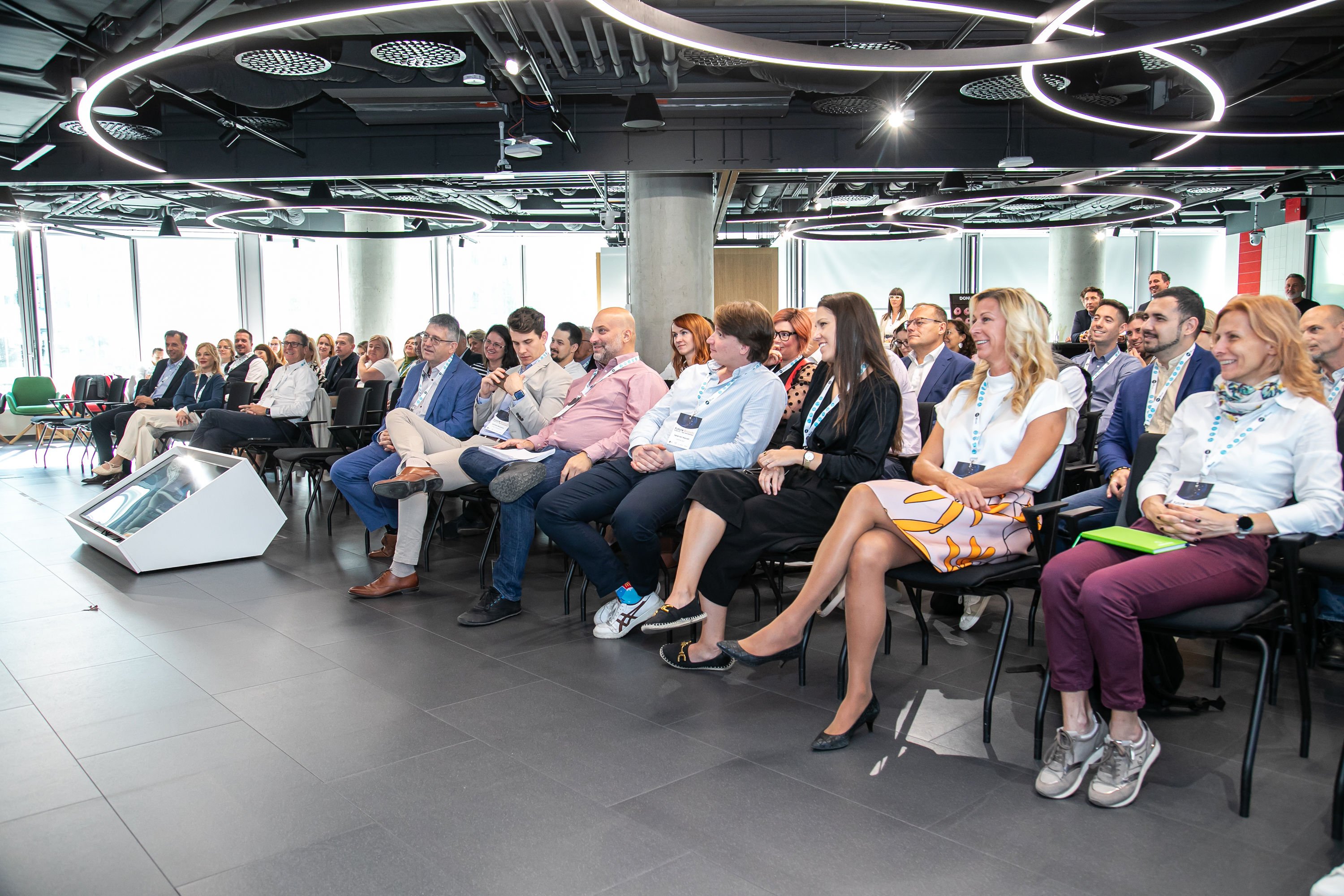
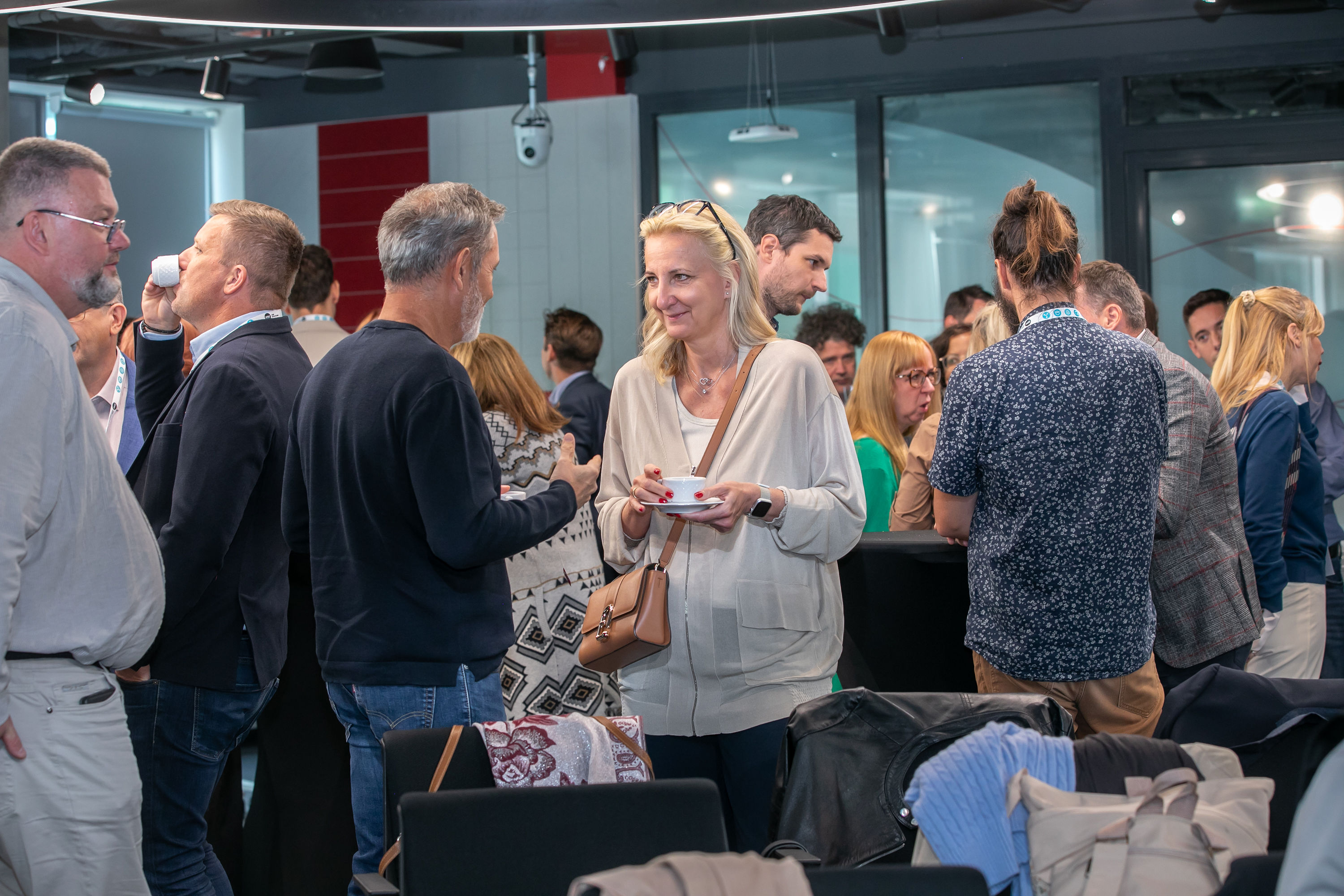
How do we work together with AI, and how is our organization changing in the process? At the Future Brunch on September 22, we explored the human, organizational, legal, and cybersecurity aspects of corporate AI adoption.
The joint event by Clarity Consulting, One Solutions, Coaching Team, and VJT Partners was hosted at Budapest One. The presentations and panel discussions connected perspectives from multiple fields, ranging from employee experiences and leadership tasks to the requirements of responsible, secure AI usage.
The Near Future of Artificial Intelligence
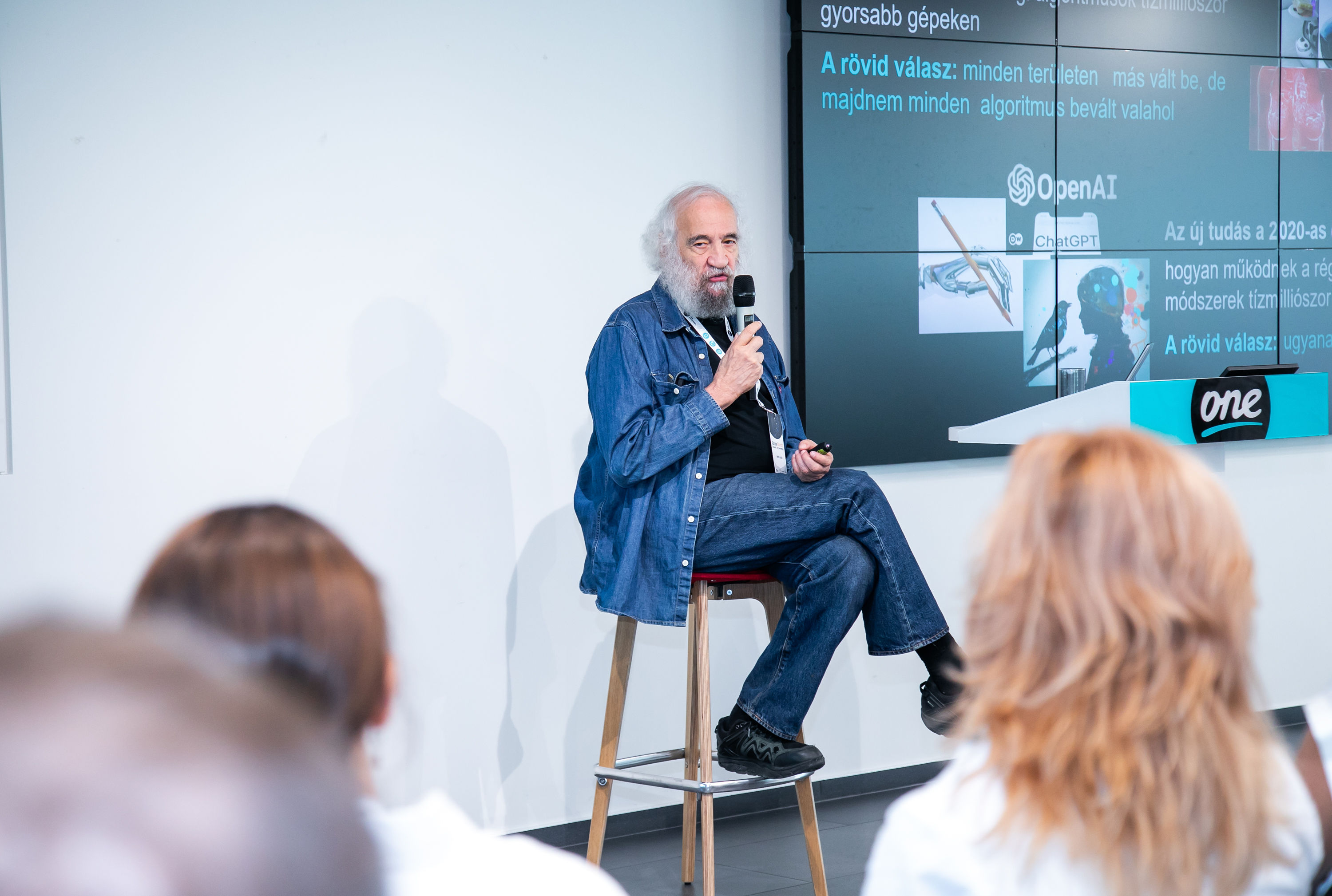
The program was opened by László Mérő's presentation, "The Near Future of Artificial Intelligence," providing a broader framework for the morning's topics.
The development of AI is reflected in the daily decisions of companies. In which tasks can we rely on it? How is the human role in workflows evolving? What knowledge and preparedness do we need to seize these new opportunities?
The remaining parts of the program connected to these questions, approaching AI adoption from various aspects of organizational operation.
Who Drives AI Adoption?
We use it to write letters, analyze documents, correct code, or gather ideas. AI often becomes integrated into daily work before a corporate strategy, unified practices, or internal policies are established.
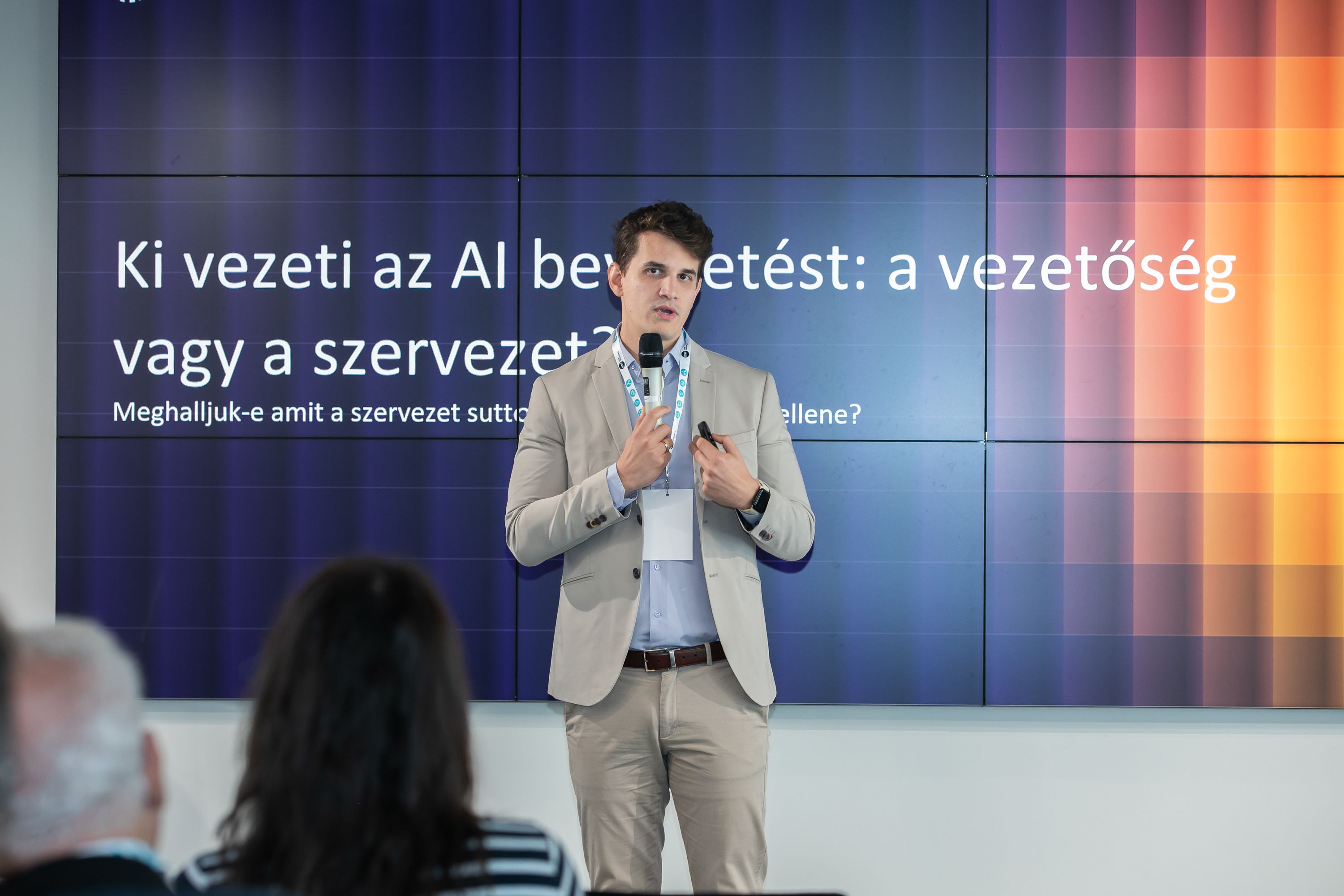
The joint presentation by Benjámin Kormos (Clarity Consulting) and Dániel Vattay (Coaching Team), titled "Who Drives AI Adoption: Management or the Organization? - Do we hear what the organization whispers before it has to scream?", placed this organizational reality in the spotlight.
Individual experimentation can only turn into collective knowledge if employee experiences also become visible. Where does AI assist work? What uncertainties does it surface? What supports its adoption, and where do bottlenecks occur?
Understanding employee experiences is also an important anchor for leaders: it can help them align AI adoption with actual organizational needs and difficulties.
People, Trust, and Organizational Culture
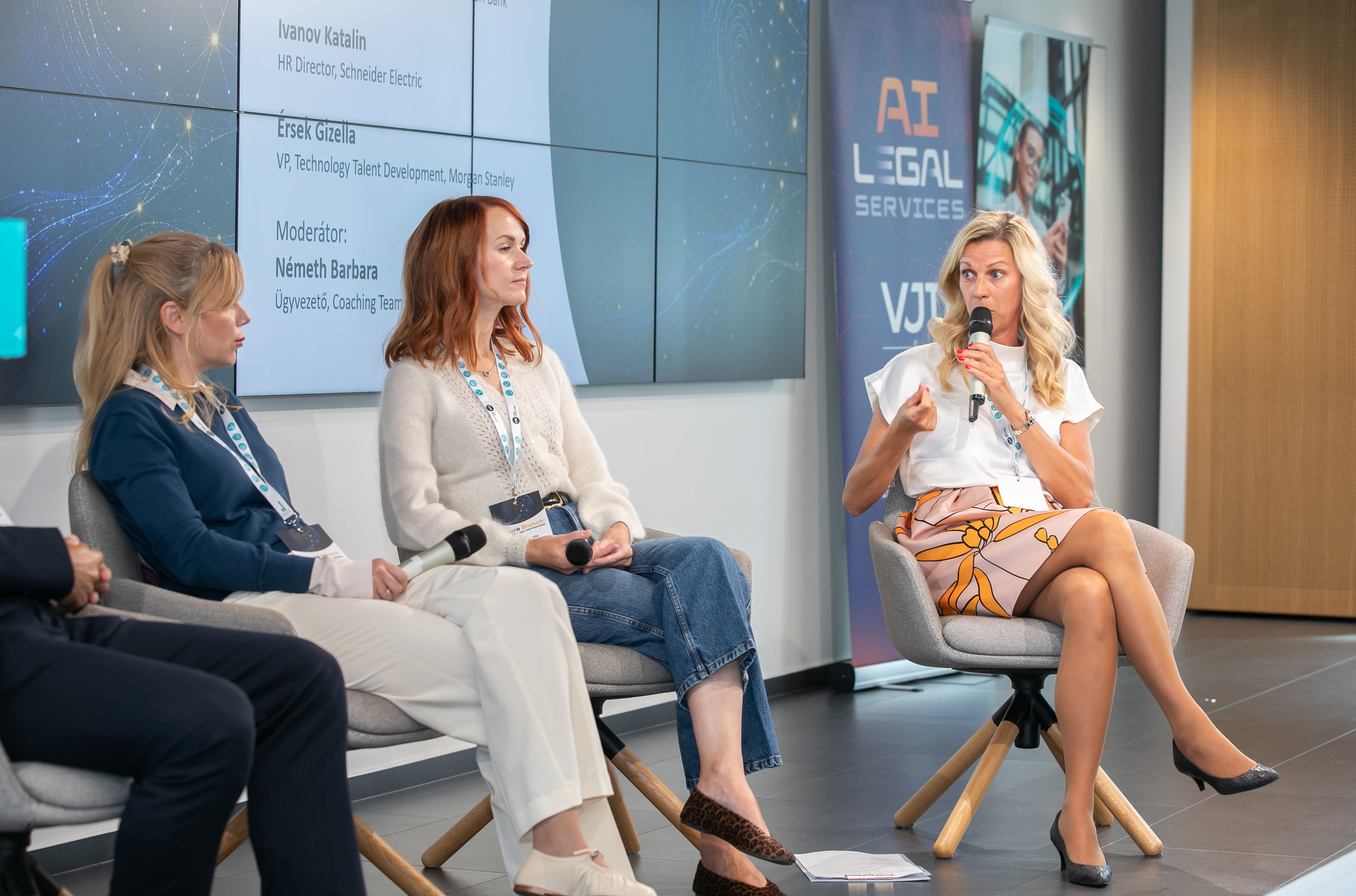
The HR panel discussion focused on the human and organizational sides of AI's rise. The discussion was moderated by Barbara Németh (Coaching Team), with participants Róbert Czétényi (MBH Bank), Katalin Ivanov (Schneider Electric), and Gizella Érsek (Morgan Stanley).
Employees may react to new tools in different ways: some enthusiastically try them out, while others require more guidance, knowledge, or reassurance. These differences must also receive attention during adoption.
Learning opportunities, leadership communication, and trust all influence how AI becomes part of collective operations. This requires a dialogue where questions and challenges can be shared alongside positive experiences.
AI and Law: New Risks, New Tools
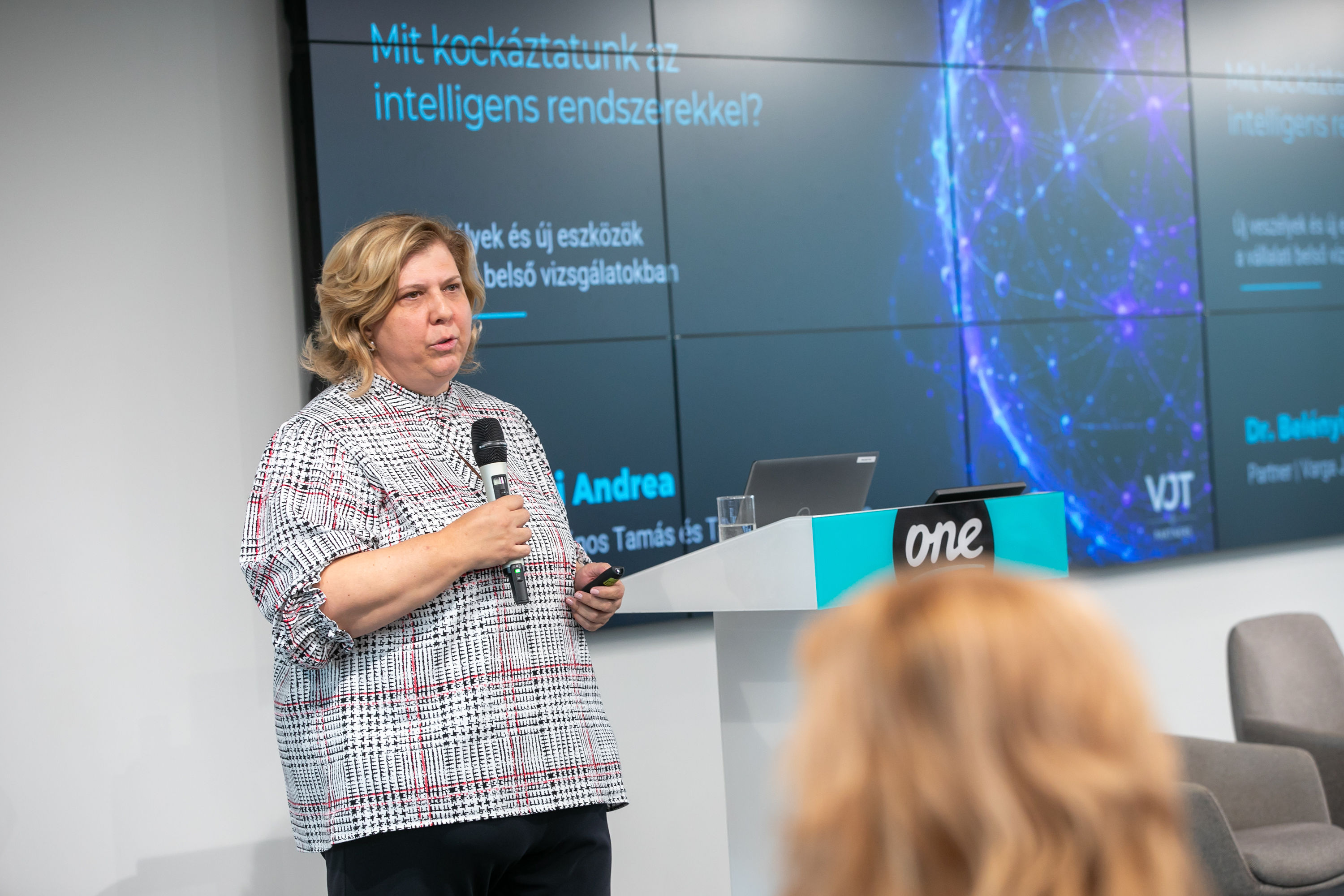
Prior to the second panel discussion, Dr. Andrea Belényi, Partner at VJT Partners, presented the legal aspects of AI. Her presentation, "AI and Security – What are we risking with intelligent systems?", connected new risks and technological opportunities through the example of internal corporate investigations.
The presented corporate case study started with an urgent wire transfer instruction. The request was made convincing by a familiar leadership voice, a seemingly authentic video, corporate communication, and supporting documents. The story illustrated how deepfake content, forged documents, and deception based on internal information can reinforce each other.
At the same time, AI can also assist in uncovering fraud: it can support the review of documents and messages, searching for connections, and preparing investigation reports. The presentation emphasized the role of verifying results and human judgment. In the presented case, misunderstood sarcasm, mixed-up supplier names, and ignored documents also distorted the AI's assessment.
The legal approach also covered labor law, data protection, and confidentiality aspects, as well as related questions regarding the AI Act. Practical steps included defining authorized tools and datasets, aligning internal processes, examining the authenticity of evidence, and controlled AI usage.
Security in Everyday AI Usage
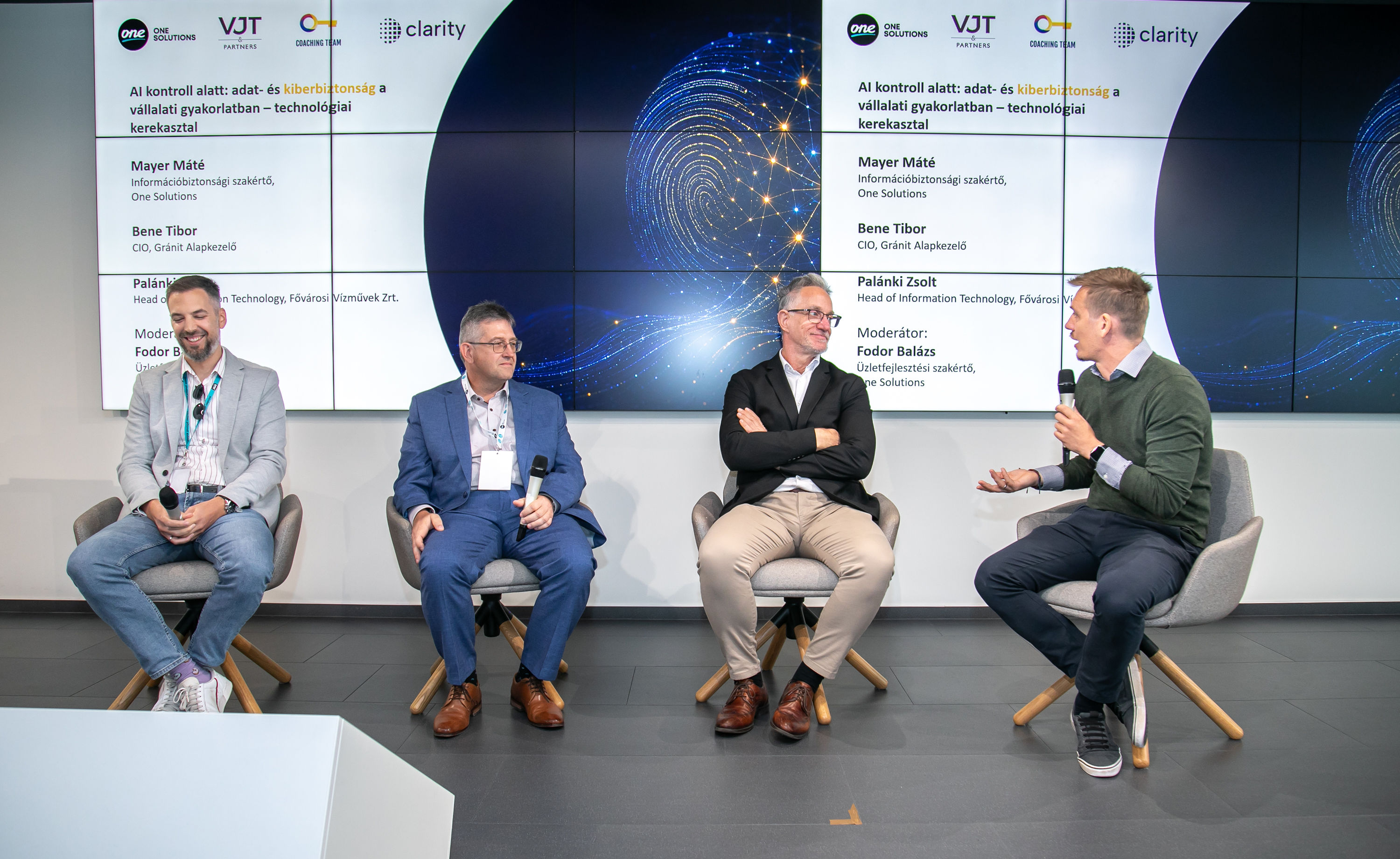
The cybersecurity panel discussion following the legal presentation continued on the topic of risks associated with using intelligent systems. The conversation was moderated by Balázs Fodor (One Solutions), with participants Máté Mayer (One Solutions), Tibor Bene (Gránit Asset Management), and Zsolt Palánki (Budapest Waterworks).
During corporate application, a fundamental question is what data enters the tools, how results can be verified, and what organizational controls support responsible operation. These aspects meet in daily work: employees need understandable frameworks and actionable guidance.
Connecting the legal and cybersecurity perspectives showed how closely technological solutions, human decisions, and organizational processes are intertwined when using AI.
Human and AI: A Shared Organizational Future
The Future Brunch program approached corporate AI application from multiple, interconnected perspectives. Employee learning, collaboration, leadership decisions, and the conditions for secure operation all shape the role technology plays in an organization's life.
Developing cooperation between humans and AI requires continuous attention, exchange of experiences, and frameworks that work in practice.
Thank you to our speakers, moderators, panel discussion participants, and guests for attending, and to the teams at One Solutions, Coaching Team, and VJT Partners for the joint organization!